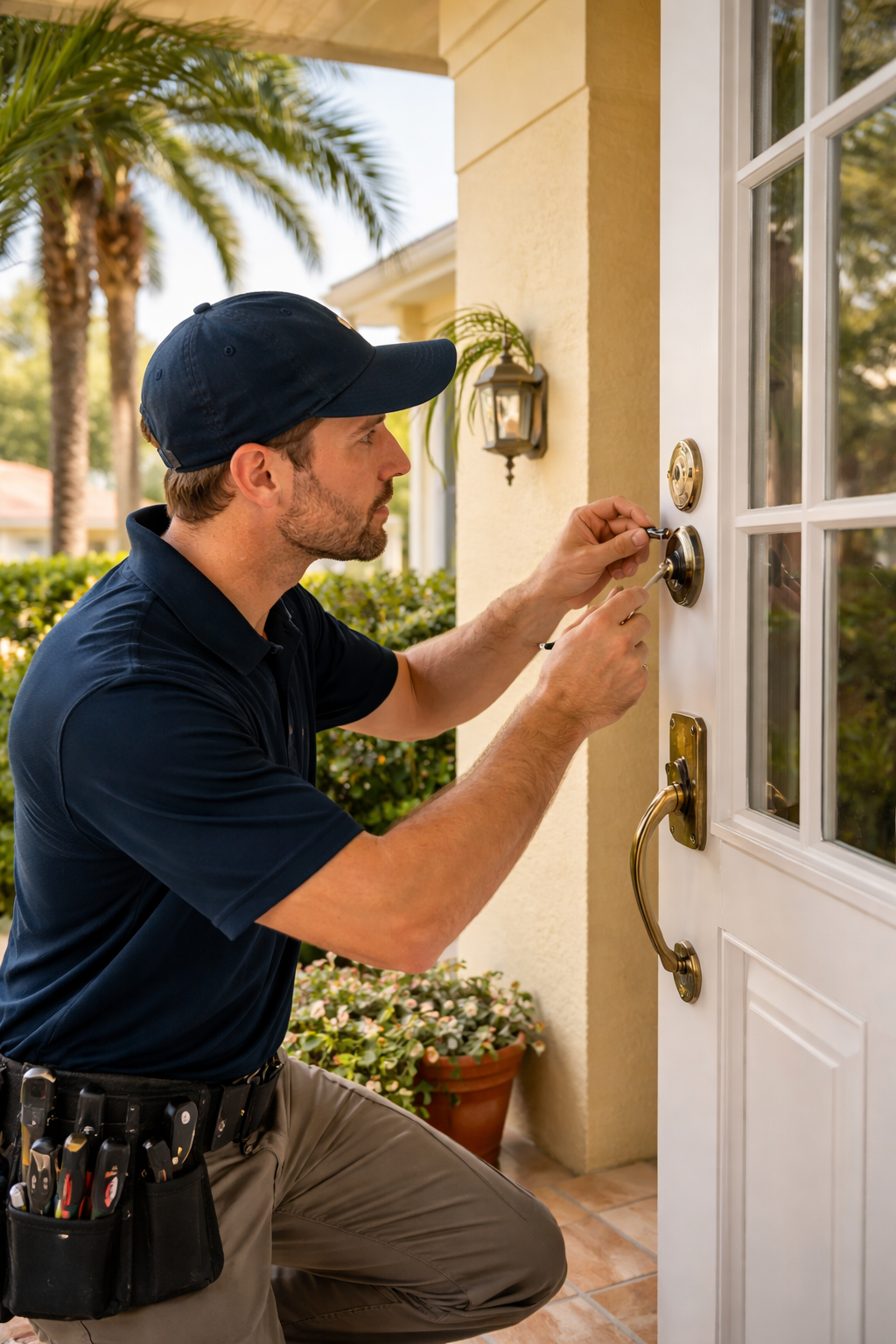
When it comes to home, office, or vehicle security, a properly functioning lock is essential. Over time, locks can wear out, keys may break, or you might simply want an upgrade to enhance your safety. In such cases, hiring a professional locksmith for a lock replacement ensures your property remains secure. But what exactly happens during a lock replacement? This comprehensive guide breaks down the process step by step so you know what to expect.
Understanding the Need for Lock Replacement
Before diving into the lock replacement process, it’s crucial to understand why you might need one. Locks are your first line of defense against unauthorized access. Common reasons for needing a lock replacement include:
- Damaged or worn-out locks: Over time, keys may stick, or locks may fail.
- Lost or stolen keys: If someone loses a key or it’s stolen, replacing the lock is the safest option.
- Upgrading security: Older locks may not provide adequate protection against modern break-in techniques.
- After a break-in attempt: Any sign of tampering calls for immediate lock replacement.
- Moving into a new property: Replacing all locks is a standard safety measure.
Recognizing the need for a lock replacement ensures your home or office remains safe while giving you peace of mind.
Step 1: Lock Replacement Assessment and Consultation
A professional locksmith begins any lock replacement project with a thorough assessment. This initial step involves:
- Examining the current lock: The locksmith checks the condition of the lock and door to determine the type of replacement needed.
- Understanding your security needs: Some locks are more secure than others. The locksmith may recommend deadbolts, smart locks, or high-security options depending on your requirements.
- Providing a cost estimate: Before starting the job, a reputable locksmith gives a transparent quote including parts, labor, and any additional services.
This step is vital because a customized solution is far more effective than a one-size-fits-all approach.
Step 2: Choosing the Right Lock Lock Replacement Option
Selecting the right lock is an important part of the lock replacement process. A professional locksmith can guide you through the options, such as:
- Deadbolt locks: Offer high security and durability.
- Smart locks: Provide keyless entry and remote access features.
- Mortise locks: Commonly used for commercial doors, offering both security and style.
- Padlocks or combination locks: Suitable for gates, lockers, or sheds.
Factors to consider when choosing a lock include the level of security desired, convenience, aesthetics, and budget. Making an informed choice ensures your lock replacement meets both your safety and lifestyle needs.
Step 3: Removing the Old Lock
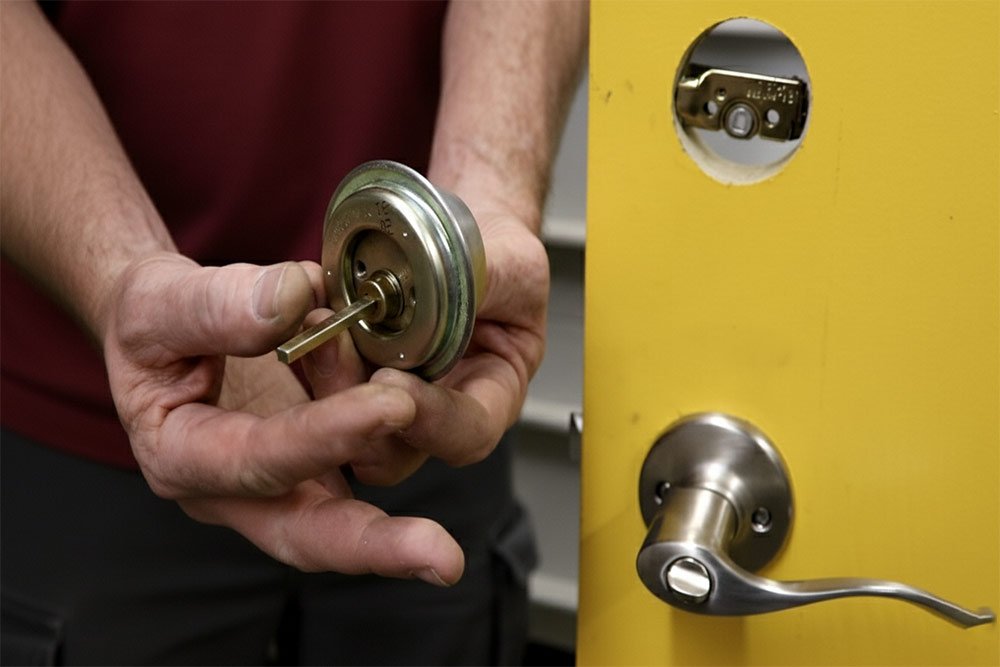
Once the new lock is selected, the locksmith begins the lock replacement by carefully removing the old hardware. This involves:
- Unscrewing and detaching the lock mechanism: All screws, plates, and fasteners are removed to free the old lock.
- Removing the lock cylinder: For cylinder locks, the core is carefully taken out to prepare for the new lock.
- Inspecting the door: Any damage or misalignment is noted so adjustments can be made before installing the new lock.
Proper removal ensures no damage is done to the door or frame, which is crucial for both aesthetics and security.
Step 4: Preparing the Door for the New Lock
Before installing a new lock, some preparation may be necessary. Depending on the type of lock, the locksmith may:
- Adjust the door frame: Ensuring the new lock fits perfectly may require minor modifications to the frame.
- Drill new holes: Some locks need different hole sizes or placements.
- Clean the area: Removing debris ensures smooth installation and proper lock function.
Preparation is a critical step in the lock replacement process, ensuring the new lock operates correctly and lasts longer.
Step 5: Installing the New Lock
With the door ready, the locksmith proceeds with installing the new lock. This step typically involves:
- Fitting the lock mechanism: The body of the new lock is carefully aligned with the door and frame.
- Securing the lock with screws and plates: Proper attachment is key for security and durability.
- Installing the cylinder or key mechanism: For keyed locks, the cylinder is inserted and tested.
- Checking the alignment: The locksmith ensures that the bolt slides smoothly into the strike plate without resistance.
Professional installation guarantees that the new lock functions properly and meets safety standards.
Step 6: Testing the New Lock
After installation, testing is essential to confirm that the lock replacement was successful. The locksmith will:
- Check key operation: Ensure the key turns smoothly and locks/unlocks without sticking.
- Test deadbolts or latch mechanisms: Verify that all moving parts work correctly.
- Confirm door alignment: The door should close and lock securely without extra force.
- Test smart features: For smart locks, connectivity, passcodes, and remote access are tested.
Proper testing ensures that your new lock provides reliable security from day one.
Step 7: Providing Instructions and Maintenance Tips
A professional locksmith doesn’t just leave after installation. They also provide guidance on maintaining your new lock. This may include:
- Operating instructions: How to use keys, codes, or smart lock apps properly.
- Maintenance advice: Regular lubrication, cleaning, and inspection to extend the lock’s lifespan.
- Troubleshooting tips: What to do if the lock sticks or malfunctions.
- Security recommendations: Additional measures, such as reinforcing doors or upgrading other locks.
Proper maintenance helps prevent future problems and keeps your property secure.
Step 8: Handling Unexpected Issues
During a lock replacement, unforeseen issues can arise. Experienced locksmiths are prepared for situations such as:
- Damaged door frames: May require reinforcement before the new lock is installed.
- Non-standard lock types: Older homes might have outdated locks needing special fittings.
- Broken keys inside the lock: Extraction is necessary before replacement.
Professional expertise ensures that any complications are resolved efficiently without compromising security.
Step 9: Lock Replacement Follow-Up Services
Some locksmiths offer follow-up services to ensure the lock replacement continues to function optimally. This can include:
- Routine check-ups: Inspecting locks periodically for wear and tear.
- Adjustment services: Fine-tuning alignment or lubrication if needed.
- Emergency support: Providing quick assistance if problems arise after installation.
Follow-up services extend the life of your lock and ensure your home or office remains secure.
Common Signs You Need a Lock Replacement Immediately
Sometimes a lock replacement is optional, but other times it becomes urgent. Knowing the warning signs helps you act before a security breach happens. The most common signs include:
- Keys No Longer Turn Smoothly: If your key sticks or requires excessive force, the lock’s internal pins may be worn out. This mechanical friction worsens over time and might eventually cause your key to snap inside the lock.
- Visible Rust or Corrosion: Humidity, rainwater, and exposure to weather elements cause rust. When parts inside a lock are corroded, the locking mechanism weakens and becomes unreliable. In outdoor entrances, rusted locks should be replaced quickly.
- Door Isn’t Closing or Locking Fully: Sometimes the door latch fails to align with the strike plate. If adjusting the plate doesn’t fix the problem, a lock replacement is often necessary due to structural shifting, door warping, or a failing latch.
- After People Move Out or Staff Leave: Rental property owners and business managers often forget to schedule a lock replacement after tenants leave or employees resign. The truth is, you cannot guarantee that old keys were returned or duplicated.
Replacing locks in these situations prevents unapproved access.
Benefits of Professional Lock Replacement Services
Choosing a professional locksmith for lock replacement offers several advantages:
- Enhanced security: Proper installation reduces the risk of break-ins.
- Time efficiency: Professional locksmiths complete the process quickly and correctly.
- Expert advice: Guidance on the best lock type for your needs.
- Peace of mind: Knowing your locks are reliable and secure.
DIY lock replacement may save money initially, but it can lead to mistakes that compromise security. Investing in professional services is a safer long-term choice.
Common Types of Lock Replacements
Depending on your property and security needs, locksmiths handle a variety of lock replacements, such as:
- Residential locks: Deadbolts, knob locks, lever handle locks.
- Commercial locks: Mortise locks, electronic access controls, master key systems.
- Vehicle locks: Car door locks, ignition cylinder replacement, trunk locks.
- High-security locks: Anti-pick, anti-drill, and biometric locks.
Each type requires specific tools and expertise, highlighting the value of professional locksmith services.
How Much Does Lock Replacement Cost?
The cost of a lock replacement depends on several factors:
- Type of lock: Smart locks and high-security locks cost more than standard deadbolts.
- Labor and installation: Professional installation ensures proper function but adds to the price.
- Emergency services: After-hours or emergency lock replacement typically costs more.
- Additional services: Door frame reinforcement or key duplication may affect total cost.
A reputable locksmith will provide a clear estimate upfront, avoiding surprises.
How to Choose the Right Locksmith for Lock Replacement
Selecting the right professional is crucial for a successful lock replacement:
- Check credentials: Look for licensed, insured, and certified locksmiths.
- Read reviews: Customer feedback helps gauge reliability and professionalism.
- Ask about experience: Experienced locksmiths handle a wider range of locks.
- Request a quote: Ensure transparency in pricing.
- Verify emergency services: A locksmith who responds quickly is invaluable in urgent situations.
Doing your research ensures your lock replacement is handled by someone you can trust.
Conclusion:
A lock replacement is more than just swapping hardware; it’s a multi-step process that ensures your property remains secure. From assessment and lock selection to installation, testing, and maintenance guidance, professional locksmiths handle every detail with expertise. Whether upgrading for convenience, after a break-in, or simply replacing worn-out locks, understanding the step-by-step process empowers you to make informed security decisions.
Investing in professional lock replacement with Fine Key Lockmsith guarantees durability, safety, and peace of mind, protecting your home, office, or vehicle for years to come. Don’t compromise on security,when it comes to locks, proper installation and professional care make all the difference.