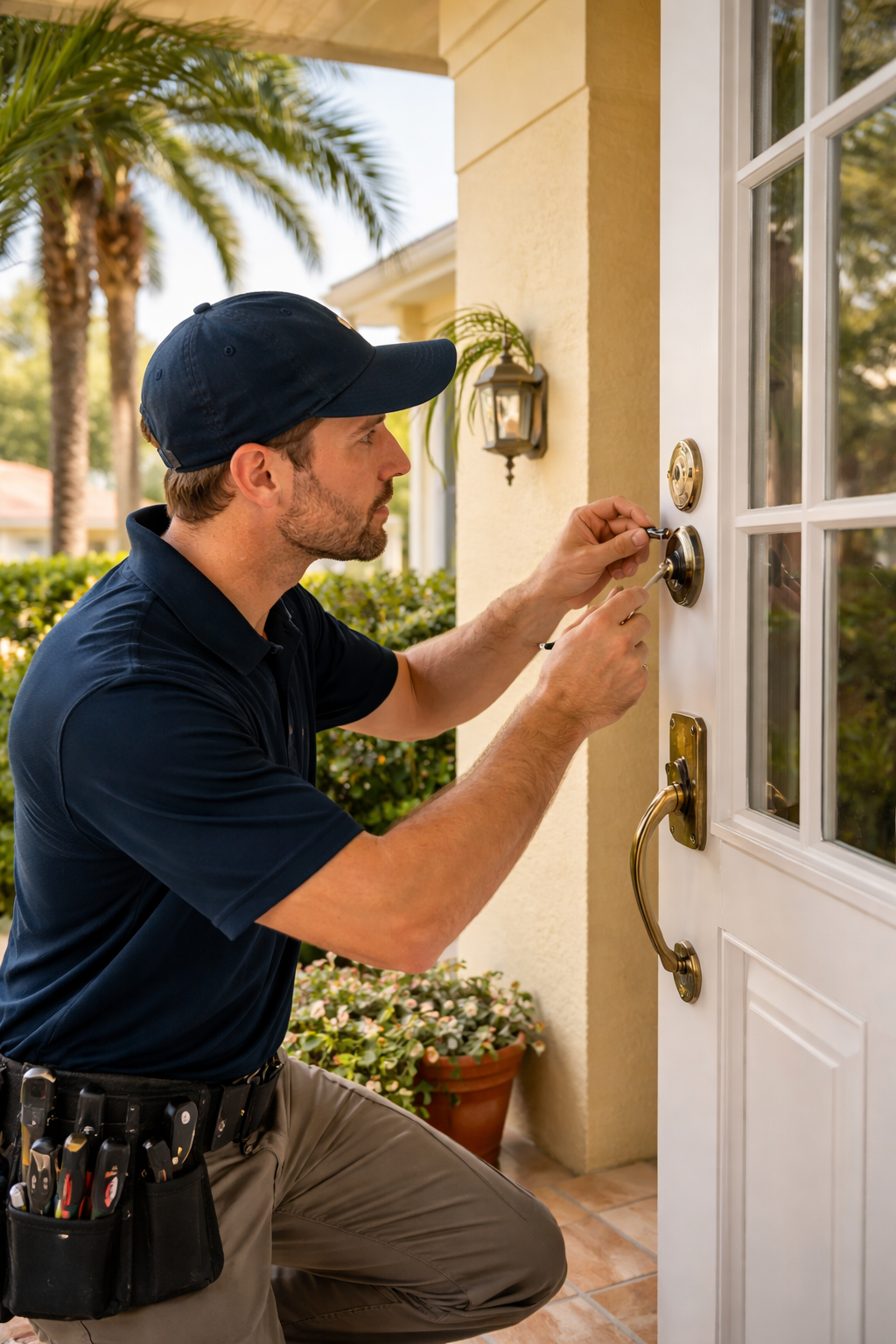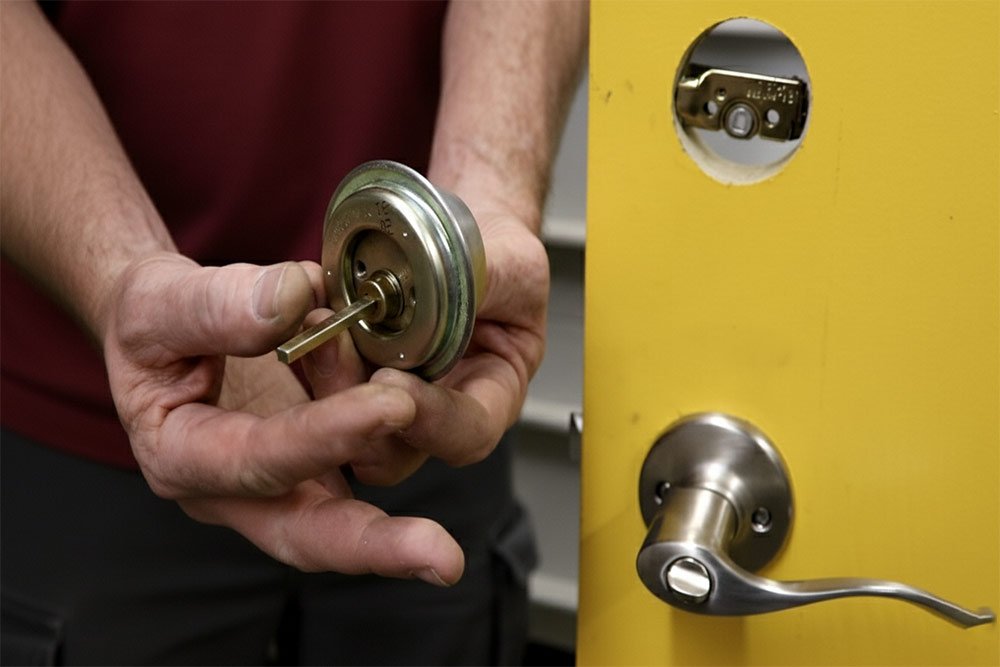
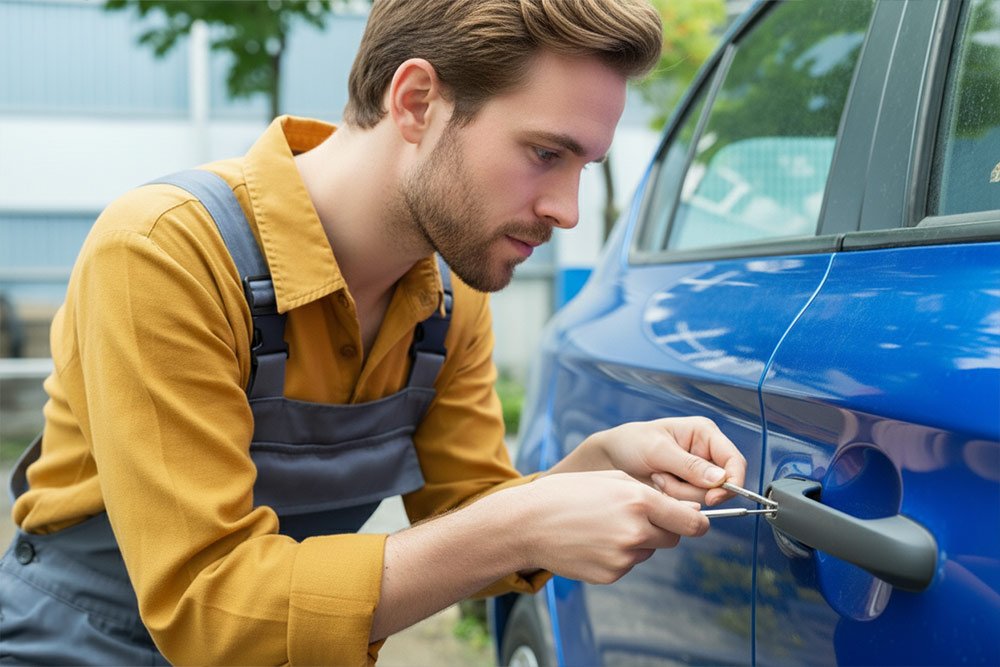
Losing your car keys can trigger an immediate wave of panic, frustration, and a sinking feeling in your stomach. Whether you’re stranded far from home, staring at a tight schedule, or simply need to get to work, a missing key can turn a minor inconvenience into a major emergency. The good news is that this is an incredibly common problem, and modern solutions, particularly the expertise of a professional Auto Locksmith, make recovery faster and less painful than ever before.
This comprehensive 3000-word guide will walk you through a proven, step-by-step action plan for finding your keys, securing your vehicle, and ultimately getting a replacement, all while explaining when and how to leverage the specialized skills of an Auto Locksmith.
Step 1: Stop the Panic and Execute a Systematic Search
The first, and often most critical, step is to fight the urge to panic. Lost car keys are rarely lost forever; they are usually just misplaced. A calm, systematic search can often solve the problem in minutes, saving you time and the cost of an Auto Locksmith.
The Immediate 5-Minute Search: When you realize the keys are gone, retrace your immediate steps. Think of this as a rapid-fire search of the last places you know they were.
- The Pockets and Bags Check: Check every pocket, zipper, and compartment. Don’t just feel, turn pockets inside out. Empty your purse, backpack, or briefcase. Look in the “secret” compartments that many bags have.
- The “Landing Zone”: Did you just set them down? Check countertops, tables, the top of the fridge, or any flat surface near where you entered.
- The Car’s Interior: If you were just driving, look under the seats, in the door pockets, the center console, and under the floor mats. Use a flashlight, even in the daytime.
Expanding the Search Radius: The Reverse Timeline – If the immediate search fails, expand your focus using a “reverse timeline” strategy. Start from the last moment you knew you had the keys and work backward.
- The Last Destination: If you were at the gym, the grocery store, or a restaurant, call them immediately. Many places have a “lost and found” specific to car keys. Be prepared to describe the key, key fob, and any attached keychains.
- The Path of Travel: Systematically retrace your walk. Look in the bushes, on the pavement, and near your vehicle’s parking spot. This is especially important for modern key fobs that can slip out of a loose pocket.
- The “Home Zone”: If you lost them at home, check coat pockets from days ago, laundry baskets, behind furniture, and inside shoes. Pets and children are notorious for moving keys to unexpected locations.
Step 2: Securing Your Vehicle and Property
Until you have a replacement key, your vehicle is a potential target. This step focuses on securing your car and ensuring your home or business is safe, especially if a house key was attached to the lost set.
Taking Immediate Car Security Measures: Modern car keys, especially smart fobs, often have a limited range. However, their loss still presents a risk.
- Check the Locks: Always double-check that all doors and the trunk are securely locked. If you have a car with a digital lock feature (via a mobile app), use it to confirm the status and remotely lock the doors.
- Consider a Temporary Immobilizer: If you will be without the key for an extended period, consider moving the car to a more secure, well-lit location or using an additional physical lock, such as a steering wheel club or a wheel clamp.
- Notify Insurance: Call your car insurance provider. Some comprehensive policies offer a limited reimbursement for lost keys, or at least a resource to connect you with an authorized Auto Locksmith or dealership.
Protecting Your Home and Other Assets: If your lost set contained a house or office key, the risk is elevated.
- Change the Locks (If Necessary): This is a necessary expense for peace of mind. A residential or Auto Locksmith can handle this quickly. Prioritize exterior doors and high-security areas.
- Inform Household Members: Alert everyone in your household that the key is missing and that they should be extra vigilant about locking doors and not letting in unexpected visitors.
Step 3: Determining Your Key Type and When to Call an Auto Locksmith
The action you take next depends entirely on the type of key you have. The complexity of modern car keys dictates the replacement process, cost, and who can help. A certified Auto Locksmith is usually the most cost-effective and fastest solution for all three.
Type A: Standard Mechanical Key
- What it is: A traditional metal key with no chip or electronics.
- Who can help: Any hardware store or basic locksmith can cut a new key if you have a spare. If you have no spare, you will need an Auto Locksmith to decode the lock cylinder and cut a new key by code.
Type B: Transponder/Chip Key
- What it is: A key that looks mechanical but contains a small RFID chip in the plastic head. The car’s onboard computer (ECU) must recognize this chip’s unique code to start the engine. This is a common anti-theft measure.
- The Challenge: Cutting the metal part is easy, but programming the chip is difficult. Only a dealership or a specialized Auto Locksmith has the necessary diagnostic equipment (and sometimes the secure code access) to program a new transponder chip to your vehicle’s immobilizer system.
Type C: Key Fob, Smart Key, or Keyless Entry Remote
- What it is: A remote control that unlocks doors, often with a push-button start system (proximity key). These keys contain complex electronic boards and sometimes a small, hidden “valet” mechanical key.
- The Challenge: These are the most expensive and require the most sophisticated programming. They must be electronically paired to your vehicle to communicate with the car’s proximity sensors and ignition system. Only a certified Auto Locksmith or a dealership can program a new smart key.
Step 4: The Professional Solution: Why Choose an Auto Locksmith Over the Dealer
Once you’ve identified your key type and determined that the search is fruitless, it’s time to call in a professional. You essentially have two options: the dealership or a mobile Auto Locksmith.
Option A: The Dealership Route
- Pros: Guaranteed to have the original equipment manufacturer (OEM) part; necessary for a few highly secure, specialized vehicle models (usually high-end European cars).
- Cons: High Cost (often double or triple the cost of an Auto Locksmith); Long Wait Time (can take days to order the key blank and another appointment for programming); requires towing the vehicle to the lot, adding significant expense.
Option B: Calling a Specialized Auto Locksmith
- Pros: Mobile Service (they come to your car, saving on towing fees); Faster Service (often same-day replacement and programming); Lower Cost (typically significantly cheaper than a dealership); Expertise across a wide range of makes and models.
- Cons: You must ensure they are a legitimate, fully certified Auto Locksmith
Step 5: Vetting Your Auto Locksmith (Crucial Step)
The locksmith industry, unfortunately, has been targeted by scams, particularly in emergencies. When you need an Auto Locksmith, you are often in a vulnerable position. It is critical to choose a legitimate, licensed, and insured professional.
Checklist for a Legitimate Auto Locksmith
- Ask for a Business Name, Not a Generic One: Legitimate companies will answer the phone with a clear business name, like “ABC Security Locksmith,” not a generic phrase like “Locksmith Service.”
- Verify Their Address and Licensing: Ask for their physical business address. In many states, locksmiths must be licensed. Ask for their license number and check it online if possible. A professional Auto Locksmith should be happy to provide this.
- Confirm Mobile Service: A reputable Auto Locksmith should offer an immediate quote and confirm that they can come to your specific location (e.g., “Yes, we can dispatch a mobile Auto Locksmith to your location in 30 minutes”).
- Get an Upfront, All-Inclusive Quote: Ask for the total cost for the new key, including the key blank, cutting, and programming. Be wary of quotes that seem too low, as they may add hidden fees upon arrival.
Step 6: The Replacement Process Explained
Knowing what to expect from your Auto Locksmith will make the process stress-free and confirm that you are dealing with a professional.
Replacing a Standard or Transponder Key with an Auto Locksmith
- Code Retrieval: The Auto Locksmith will use specialized tools to access your car’s immobilizer system to retrieve the unique key code, or they may “decode” the physical lock by sight or impression.
- Key Cutting: They will use a specialized key-cutting machine, often computer-controlled, to cut a precise new key blade based on the code.
- Programming (Transponder Keys Only): This is the most important step for chip keys. The Auto Locksmith will use a diagnostic tool, plugged into your car’s OBD-II port, to program the new key’s chip to the car’s computer. This step is necessary to allow the car to start.
Replacing a Smart Key or Key Fob
- Fob Blank and Mechanical Key: The Auto Locksmith will have a stock of key fobs suitable for your car’s make and model. They will also cut the small, emergency mechanical key hidden inside the fob.
- Transponder and Remote Programming: They perform two main programming tasks:
- Transponder Chip: Linking the key to the immobilizer for ignition.
- Remote/Proximity: Linking the key to the door locks, trunk, and push-to-start feature.
- Erase Old Keys: A key part of the process is asking the Auto Locksmith to delete the lost key from your car’s memory. This makes the old key completely useless if found by a malicious person, ensuring your vehicle’s security.
Step 7: Prevention is the Best Policy: Key Management
After the ordeal of losing your keys and dealing with the replacement, take immediate steps to ensure it never happens again.
A. The Critical Importance of a Spare Key
- The Single Most Important Step: If you only had one key, the cost and hassle of the replacement were significantly higher because the Auto Locksmith or dealer had to work “from scratch.” If you have one working key, the process to duplicate it is much faster and cheaper.
- Get a Duplicate Immediately: Once you have your new key, immediately call your Auto Locksmith to make a spare. Store this spare key in a secure, memorable location (e.g., a locked safe, a trusted family member’s home, or a secure office drawer). Never leave a spare key inside the car.
B. Practical Key Management Tips
- Key Trackers: Attach a Bluetooth or GPS tracking device (like Tile, AirTag, or a similar smart tracker) to your key ring. These allow you to locate your keys using a smartphone app, often for less than $30.
- The “Designated Spot”: Create a permanent, designated spot for your keys near the entrance of your home (a key bowl, a wall hook, etc.). Make a habit of placing them there the instant you walk in the door.
- Secure Key Chains: Use a secure, high-quality key ring that won’t easily come undone. Avoid bulky, heavy keychains that can wear out the ignition lock over time.
- Limit the Ring: Do not attach your house key, office key, or other critical keys to your car key ring. If the car key is lost, the threat to your other property is mitigated.
Why Choose an Auto Locksmith for Key Replacement?
An Auto Locksmith is a specialist. Unlike a residential or commercial locksmith, they invest in specific diagnostic tools, key-cutting machines, and secure software required to interface with your car’s electronic control unit (ECU). They can do everything the dealership can do: cut the blade, program the transponder chip, and link the remote, but they do it on-site and often for a better price.
Conclusion: The Bottom Line on Lost Car Keys
Losing your car keys is a stressful event, but it is manageable. Your immediate focus should be on a calm, systematic search and securing your vehicle. Once you determine the key is truly lost, the best course of action is almost always to bypass the dealership and call a reputable, licensed, and mobile Auto Locksmith. Fine Key Auto Locksmith possesses the specialized tools and expertise to create a new key, program its transponder, and erase the old key from your car’s memory, all on-site, quickly, and affordably. Don’t let a missing key ruin your week. By following this guide, you can quickly move from panic to resolution and ensure your vehicle is secure and operational.